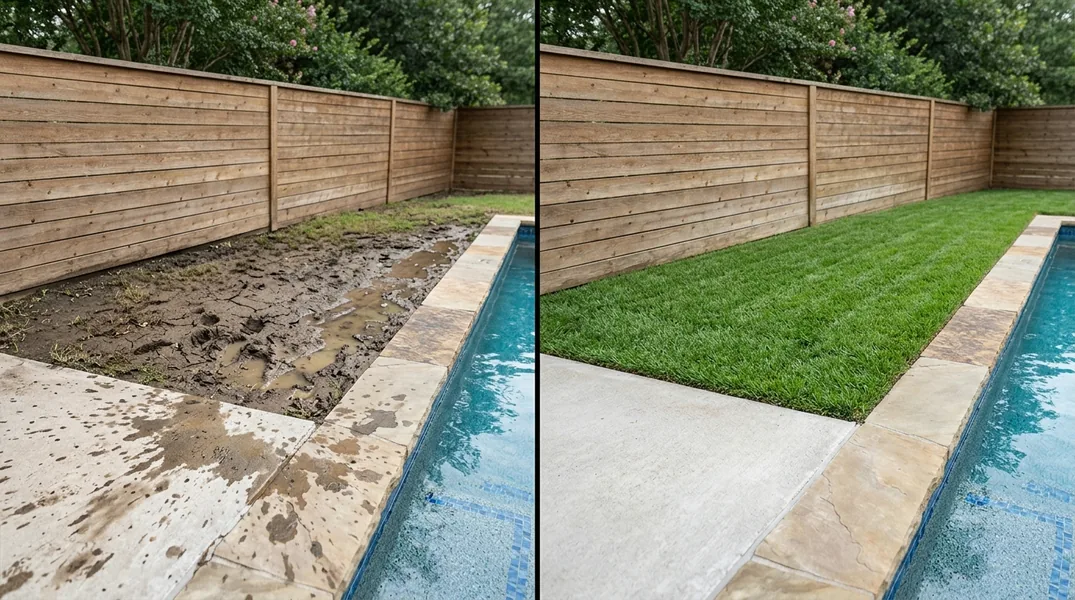
Understanding HOA Rules for Artificial Grass in College Station
If you live in a homeowners association community in College Station, you're likely familiar with the rules that govern your property's appearance. HOAs exist to maintain neighborhood aesthetics and property values, which means they often have specific guidelines about landscaping, including whether artificial grass is permitted and under what conditions.
Many HOAs across the country have historically been skeptical of artificial turf, viewing it as less desirable than natural grass. However, this attitude is shifting rapidly as artificial grass technology improves and more communities recognize the environmental and maintenance benefits. The key to success is understanding your specific HOA's bylaws before you invest in Residential Artificial Grass Installation. Some HOAs explicitly allow artificial grass with certain specifications, while others require approval on a case-by-case basis. A few may still prohibit it entirely, though this is becoming less common.
The best first step is to request a copy of your HOA's architectural guidelines or covenants, conditions, and restrictions (CC&Rs). These documents will outline any rules regarding lawn materials, color specifications, and installation standards. If the documents don't explicitly address artificial grass, that's actually a positive sign, as it may mean the HOA hasn't restricted it and approval could be straightforward.
Getting HOA Approval for Your Front Yard Artificial Grass
Once you've reviewed your HOA's guidelines, the next step is securing formal approval before installation begins. Most HOAs require homeowners to submit an architectural request form or modification application, which typically includes details about the proposed project. For College Station residents, this process usually involves submitting photos, product specifications, and installation plans to your HOA's architectural committee.
When preparing your application, emphasize the quality and realistic appearance of modern artificial grass. Include manufacturer specifications showing the grass blade height, color options, and drainage capabilities. Many HOAs are more likely to approve projects when they see detailed information demonstrating that the artificial turf will maintain neighborhood standards. If possible, provide examples of similar installations in other communities or even photos from your installer's portfolio. This visual evidence can significantly increase your chances of approval.
Communication with your HOA board is equally important. Consider attending a board meeting to discuss your project in person, or reach out to the architectural committee chair before submitting your formal application. Explaining your reasons for choosing artificial grass, whether it's water conservation, reduced maintenance, or pet-friendly benefits, can help the board understand your motivations and make a more informed decision. If your initial request is denied, ask for specific feedback on what would need to change for approval, then work with your installer to address those concerns.
Front Yard Artificial Grass: Navigating Neighborhood Restrictions
Beyond HOA rules, some College Station neighborhoods have informal aesthetic expectations or city zoning regulations that affect front yard landscaping choices. Front yards are particularly subject to scrutiny because they're visible from the street and contribute to the overall character of the neighborhood. Understanding these nuances before installation is crucial to avoiding conflicts or costly removals.
City ordinances in College Station may include regulations about lawn maintenance standards, but most focus on natural grass height rather than prohibiting artificial alternatives. However, it's worth checking with the City of College Station's planning and development department to confirm there are no local restrictions on artificial turf. Some municipalities have begun implementing water conservation ordinances that actually encourage artificial grass as an environmentally responsible alternative to high-maintenance natural lawns.
When selecting artificial grass for your front yard, choose a product that looks natural and well-maintained. High-quality turf with varied blade colors, realistic texture, and appropriate height will blend seamlessly with your neighborhood and satisfy even skeptical neighbors. Professional installation also makes a significant difference in appearance, ensuring proper seams, drainage, and edge finishing that distinguish quality work from amateur DIY projects.
Artificial Grass for Rental Properties: Landlord Considerations and Tenant Agreements
Landlords considering artificial grass for rental properties face a different set of considerations than homeowners. While the investment in Residential Artificial Grass Installation can significantly reduce long-term maintenance costs and increase property appeal, landlords must carefully document the installation and establish clear tenant responsibilities in lease agreements.
One of the primary advantages of artificial grass for rental properties is durability and reduced liability. Natural grass requires regular maintenance, watering, and mowing, which can lead to disputes over who's responsible for upkeep and potential injuries from lawn equipment. Artificial turf eliminates these concerns, as it requires minimal maintenance beyond occasional rinsing and debris removal. This makes it an attractive feature for both landlords and tenants, particularly in College Station where summer heat and water restrictions can make maintaining natural grass challenging.
Before installing artificial grass, landlords should review their lease agreements and update them to include specific terms about the turf. Clearly state that tenants are responsible for keeping the lawn free of debris, that heavy objects shouldn't be placed on the grass for extended periods, and that any damage caused by tenant negligence will be charged to the security deposit. Including photos of the installed turf in its pristine condition provides documentation for comparison when the tenant moves out. This protects your investment and prevents disputes about the property's condition.
It's also wise to communicate with prospective tenants about the artificial grass before they sign a lease. Some tenants may have concerns about drainage, temperature, or environmental impact, so addressing these proactively can prevent future problems. Most tenants appreciate the low-maintenance nature of artificial grass, especially those with pets or allergies who benefit from a clean, allergen-free yard.
Landlord Tips: Maintenance, Liability, and Tenant Communication
Maintaining artificial grass in rental properties requires a different approach than residential installations. While the turf itself is durable and long-lasting, landlords should establish a maintenance schedule to ensure it remains in excellent condition throughout the lease term. Regular inspections, debris removal, and occasional professional cleaning will extend the lifespan of the grass and maintain its appearance for future tenants.
Liability is another important consideration for landlords. Artificial grass is extremely safe and actually reduces injury risks compared to natural lawns, as it eliminates holes, uneven surfaces, and slippery spots caused by overwatering. However, document the installation professionally and maintain records of all maintenance performed. This protects you legally if any issues arise and demonstrates that you've maintained the property to a reasonable standard.
Clear communication with tenants is essential for successful artificial grass installations on rental properties. Provide written instructions on how to care for the turf, what activities are appropriate, and how to report any damage or concerns. Include these guidelines in your lease agreement and provide a copy to tenants at move-in. Consider scheduling a brief walkthrough with new tenants to explain the grass care requirements and answer questions. This proactive approach prevents misunderstandings and helps tenants take better care of the property.
For landlords in College Station, artificial grass represents a smart investment that reduces ongoing maintenance costs, increases property appeal, and minimizes liability. If you're considering this upgrade for your rental property, reach out to College Station Turf Installation for a free estimate and professional guidance on the best options for your specific situation.
Choosing Quality Artificial Grass and Working with Professional Installers
Whether you're installing artificial grass in an HOA community, front yard, or rental property, choosing a quality product and working with experienced professionals is essential. Not all artificial grass is created equal, and the difference between high-quality and budget options becomes apparent within the first few months of installation. Premium turf features realistic blade colors, appropriate density, superior drainage, and UV protection that maintains appearance for years.
Professional installation matters just as much as product quality. Proper site preparation, base installation, seaming, and edge finishing require expertise and specialized equipment. A poorly installed system can lead to drainage problems, visible seams, wrinkles, and premature wear that undermines your investment. When researching installers in College Station, ask about their experience with HOA approvals, rental properties, and front yard installations. Request references from previous clients and view examples of completed projects.
College Station Turf Installation specializes in residential artificial grass projects and understands the unique requirements of HOA communities, front yards, and rental properties. Our team can guide you through the approval process, recommend appropriate products for your specific situation, and ensure professional installation that exceeds expectations. Contact us at (979) 814-4662 or visit our website to discuss your project and receive a personalized recommendation for your property.
Looking for a professional artificial grass installation company in College Station? College Station Turf Installation responds fast for all your artificial grass installation needs.
Get a Free Quote